Self-driving cars, once a concept of science fiction, are now a rapidly developing reality. Advances in artificial intelligence, sensor technology, and machine learning are bringing autonomous vehicles closer to mainstream adoption.
Automakers and tech companies are investing billions into developing safe and efficient driverless systems.
How Autonomous Technology Works
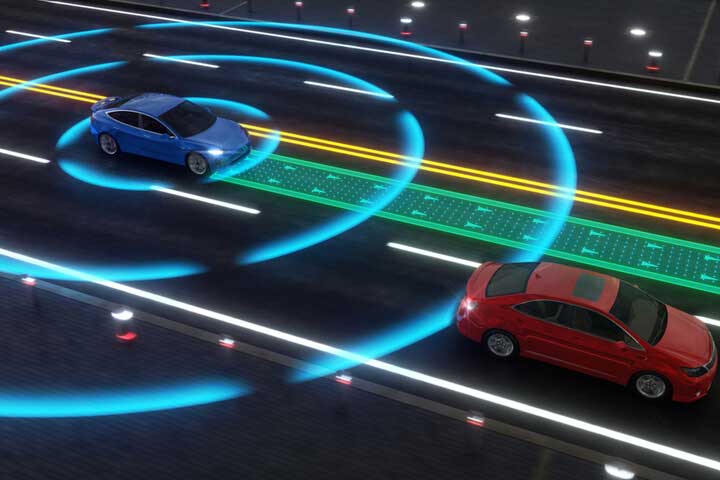
Self-driving cars rely on a combination of technologies:
- Lidar and radar sensors
- High-resolution cameras
- GPS navigation systems
- AI-based decision-making software
- Real-time data processing
These systems allow vehicles to detect obstacles, interpret traffic conditions, and navigate without human intervention.
Levels of Automation
Autonomous vehicles are categorized into different levels, ranging from basic driver assistance to full automation.
While many cars today offer semi-autonomous features like adaptive cruise control and lane assist, fully autonomous vehicles are still under testing and development.
Benefits of Self-Driving Cars
Autonomous vehicles have the potential to:
- Reduce traffic accidents caused by human error
- Improve fuel efficiency through optimized driving
- Enhance mobility for elderly and disabled individuals
- Reduce traffic congestion in urban areas
The technology promises safer and more efficient transportation systems.
Challenges and Regulations
Despite rapid progress, challenges remain. Safety concerns, legal regulations, cybersecurity risks, and infrastructure readiness must be addressed before widespread adoption.
Governments are working on policies to regulate autonomous driving systems responsibly.
The Road Ahead
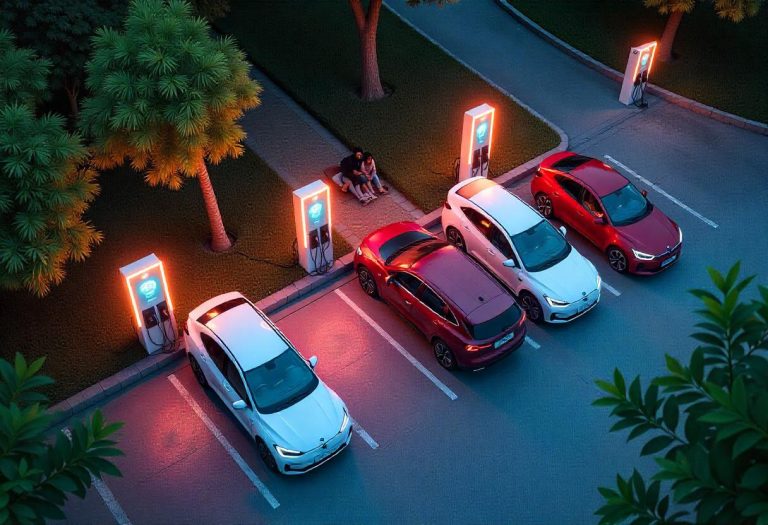
The future of mobility is expected to combine electric vehicles, AI automation, and connected smart infrastructure.
While full autonomy may take time, gradual integration of intelligent driving features is already transforming the automobile industry.
Conclusion
Self-driving cars represent a major technological leap in transportation. As innovation continues and regulatory frameworks evolve, autonomous vehicles could redefine how people travel in the coming decades.