
The automobile industry is undergoing one of the biggest transformations in its history. Electric vehicles (EVs) are rapidly gaining popularity as governments, manufacturers, and consumers shift toward sustainable transportation.
Advancements in technology, environmental concerns, and evolving consumer preferences are driving this global change.
Shift Toward Sustainable Mobility
Traditional fuel-powered vehicles contribute significantly to environmental pollution. Electric vehicles offer a cleaner alternative by reducing emissions and dependence on fossil fuels.
Many countries are promoting EV adoption through incentives, infrastructure development, and policy support.
Technological Innovation in Vehicles
Modern electric vehicles are equipped with advanced digital systems, smart connectivity, and automated driving features.
Battery technology improvements are increasing driving range while reducing charging time — making EVs more practical for everyday use.
Changing Consumer Preferences
Consumers are increasingly choosing vehicles that offer efficiency, lower maintenance costs, and eco-friendly performance.
Electric vehicles also appeal to technology-driven buyers who value smart features and modern design.
Infrastructure Expansion
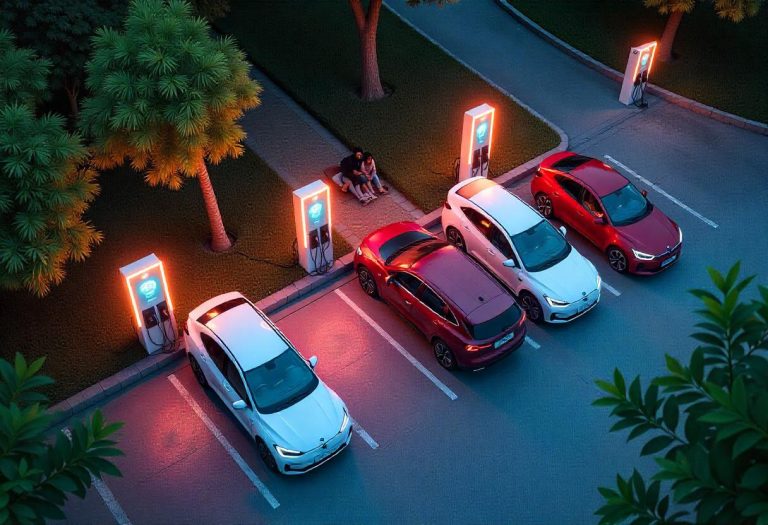
Charging infrastructure is expanding rapidly in urban areas and along major highways. This growth is reducing range anxiety and encouraging wider adoption.
Public and private investment in charging networks is shaping the future of transportation systems.
Future of the Automobile Industry
Automakers are investing heavily in electric mobility, autonomous driving technology, and connected vehicle ecosystems.
The industry is moving toward smarter, cleaner, and more efficient transportation solutions.
Conclusion
Electric vehicles are not just a trend — they represent a fundamental shift in how transportation works. As innovation continues and infrastructure expands, the future of mobility will increasingly be defined by sustainable and intelligent automotive technology.