Artificial intelligence is no longer a concept limited to science fiction or advanced research labs. It has quietly entered everyday life — from smartphones and virtual assistants to healthcare, education, and business automation. The speed at which AI is becoming integrated into daily routines raises an important question: are we truly prepared for how fast this transformation is happening?
AI Is Already Everywhere
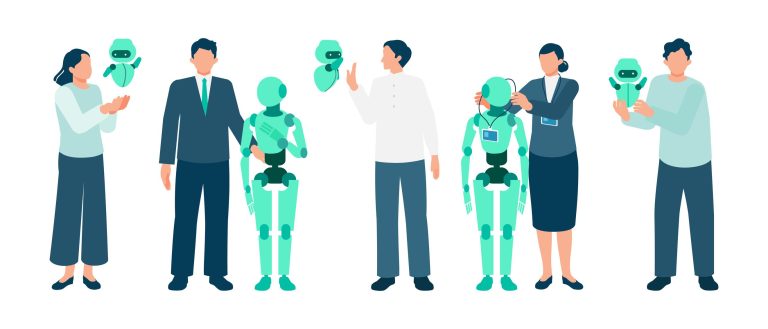
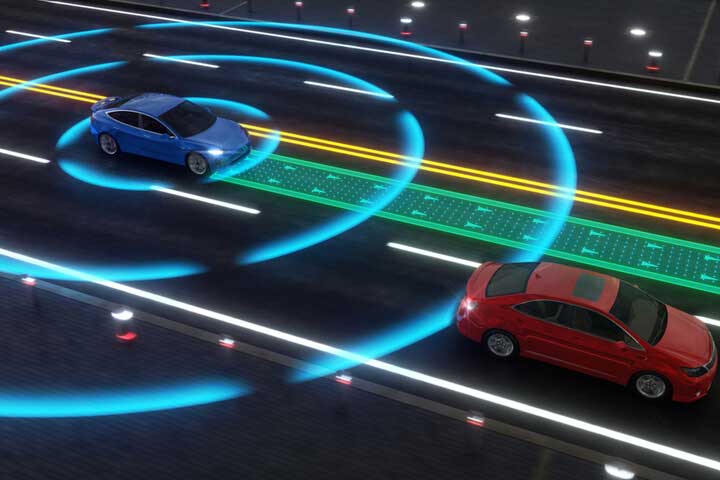
Many people think of AI as futuristic robots or complex machines, but in reality, it is already embedded in common digital experiences. Recommendation systems, voice assistants, navigation apps, and automated customer support all rely on artificial intelligence.
What makes this shift remarkable is how seamlessly AI has blended into daily life. Most users interact with it without even realizing it.
Convenience vs. Dependency
AI has undoubtedly made life more efficient. Tasks that once required time and effort can now be completed instantly. From personalized content to automated decision-making, technology is reducing friction in everyday processes.
However, growing convenience can also lead to increasing dependency. As systems become smarter, humans may rely more on automated decisions — sometimes without questioning accuracy or fairness.
Impact on Jobs and Skills
One of the most debated aspects of AI is its impact on employment. While automation may replace certain routine tasks, it is also creating demand for new skills and industries.
The real challenge may not be job loss alone, but how quickly individuals and institutions can adapt to changing skill requirements.
Ethical and Social Questions
Rapid AI adoption also raises ethical concerns — data privacy, algorithmic bias, and decision transparency. As technology becomes more powerful, the need for responsible development and regulation becomes increasingly important.
Society must balance innovation with accountability.
Conclusion
Artificial intelligence is not a distant future — it is a present reality shaping how people live, work, and interact. The real question is not whether AI will transform everyday life, but how thoughtfully and responsibly we manage that transformation.