
The global transportation industry is undergoing one of the most dramatic shifts in its history. Electric vehicles (EVs), once seen as experimental alternatives, are rapidly becoming mainstream. Governments, automakers, and consumers are all accelerating toward a future powered by electricity instead of fossil fuels.
The electric vehicle revolution is not just about cars — it represents a fundamental transformation of energy, infrastructure, and environmental responsibility.
The Push Toward Sustainability
Climate change concerns and environmental regulations have become major drivers of EV adoption. Transportation is one of the largest contributors to global carbon emissions, making electrification a key strategy for reducing environmental impact.
Countries around the world are setting ambitious targets to phase out traditional fuel-powered vehicles, signaling a long-term commitment to sustainable mobility.
Innovation in Battery Technology
Battery technology lies at the heart of the EV revolution. Advances in energy density, charging speed, and battery lifespan are making electric vehicles more practical and affordable.
Researchers and manufacturers are investing heavily in next-generation battery systems that promise longer range and faster charging times.
Infrastructure and Industry Transformation
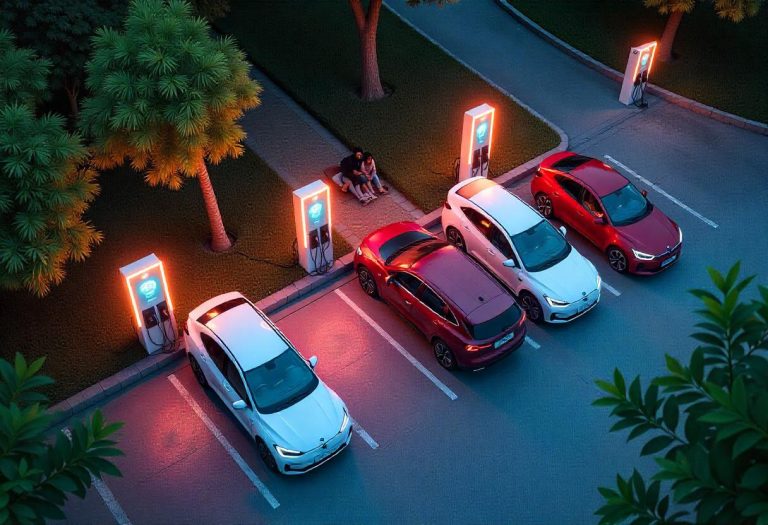
The shift to electric mobility requires a massive expansion of charging infrastructure. Cities and highways are rapidly installing charging networks to support growing demand.
At the same time, the automotive industry is restructuring supply chains, manufacturing processes, and workforce skills to adapt to electrification.
Economic and Market Impact
The EV transition is creating new industries while disrupting traditional ones. From battery manufacturing and software development to renewable energy integration, the economic ripple effects are significant.
Competition among automakers is intensifying as companies race to lead the electric future.
Challenges on the Road Ahead
Despite rapid progress, challenges remain — charging accessibility, battery recycling, resource availability, and affordability continue to shape the pace of adoption.
Balancing innovation with sustainability and infrastructure readiness will be critical.
Conclusion: A New Era of Mobility
The electric vehicle revolution marks the beginning of a new era in transportation. As technology advances and adoption accelerates, the way people move — and how energy is consumed — will fundamentally change.
The journey toward electric mobility is not just a trend. It is a global transformation that will define the future of transportation for generations.