
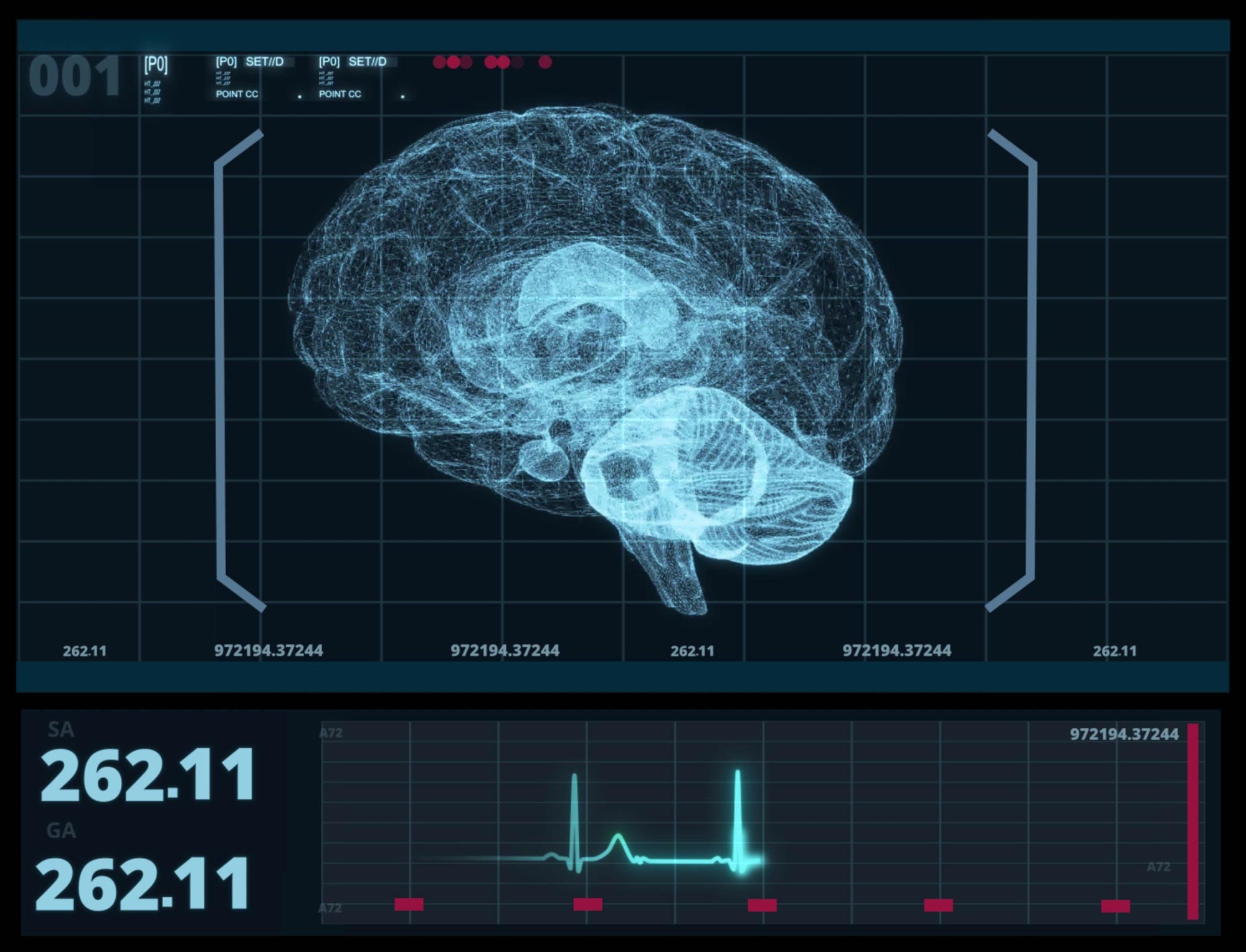
Artificial intelligence is rapidly reshaping the healthcare industry. From early disease detection to personalized treatment recommendations, AI-driven systems are helping medical professionals deliver faster and more accurate care.
Healthcare startups leveraging AI are playing a central role in this transformation.
AI in Diagnostics
One of the most impactful applications of AI in healthcare is diagnostics. Machine learning models can analyze medical images such as X-rays, MRIs, and CT scans with remarkable accuracy.
These systems assist doctors in identifying diseases at earlier stages, improving treatment outcomes and reducing human error.
Personalized Treatment Planning
AI enables data-driven treatment recommendations by analyzing patient history, genetics, and lifestyle data.
Startups are building intelligent systems that suggest personalized therapies, helping improve patient recovery rates and optimize medical resources.
Remote Patient Monitoring
With wearable devices and smart health sensors, AI can track vital signs in real time. This allows doctors to monitor patients remotely and intervene before conditions worsen.
Such solutions are particularly beneficial for chronic disease management.
Operational Efficiency in Hospitals
AI-powered scheduling, automated record management, and predictive analytics help hospitals improve operational efficiency.
By reducing administrative burdens, healthcare providers can focus more on patient care.
Challenges and Ethical Considerations
Despite its benefits, AI in healthcare raises concerns about data privacy, algorithm transparency, and regulatory compliance.
Responsible AI development and strong data protection frameworks are essential for sustainable growth.
The Future of AI in Healthcare
As AI models become more advanced, healthcare systems are expected to become increasingly predictive, preventive, and personalized.
The integration of AI with robotics, genomics, and telemedicine could further redefine the global healthcare landscape.
Conclusion
AI-powered healthcare startups are not just improving efficiency — they are reshaping how medicine is practiced. With continuous innovation and ethical implementation, artificial intelligence has the potential to create a more accessible and accurate healthcare system for the future.