In the fast-growing world of on-demand services, speed and convenience define success. QuickCart, a rising hyperlocal delivery startup, is redefining how urban consumers receive groceries, essentials, and daily-use products — often within minutes.
By combining logistics innovation with smart technology, the company is building a new standard for local delivery services.
The Problem It Solves
Traditional delivery systems often struggle with long wait times and inefficient routing. Urban consumers increasingly expect instant service and real-time tracking.
QuickCart was created to solve this gap — providing ultra-fast delivery powered by localized fulfillment centers and AI-based route optimization.
Business Model and Growth Strategy
QuickCart operates through micro-warehouses located close to high-demand residential areas. This reduces delivery distance and improves speed.
The company earns revenue through delivery fees, subscription memberships, and partnerships with local retailers.
Its expansion strategy focuses on high-density urban markets where demand for instant delivery is strongest.
Technology Driving Efficiency
Technology is at the core of QuickCart’s operations. The startup uses predictive analytics to forecast demand and optimize inventory distribution.
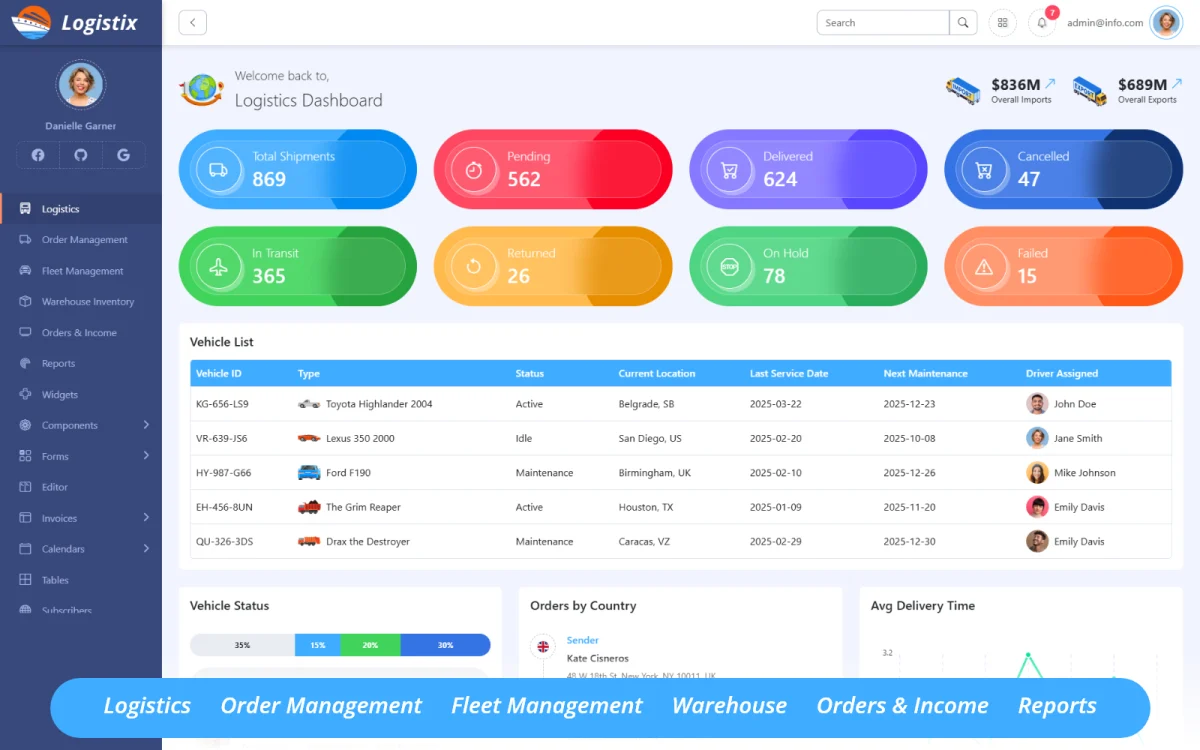
Real-time tracking, automated dispatch systems, and data-driven logistics planning help maintain consistent delivery performance.
Funding and Expansion Plans
QuickCart has attracted strong investor interest due to rapid customer adoption and scalable infrastructure. The startup plans to expand into new cities while strengthening its logistics network.
Future goals include autonomous delivery pilots and AI-driven demand forecasting improvements.
Conclusion
QuickCart represents a new generation of startups focused on speed, efficiency, and customer experience. By rethinking local delivery infrastructure, the company is positioning itself as a key player in the evolving on-demand economy.